Email Us:


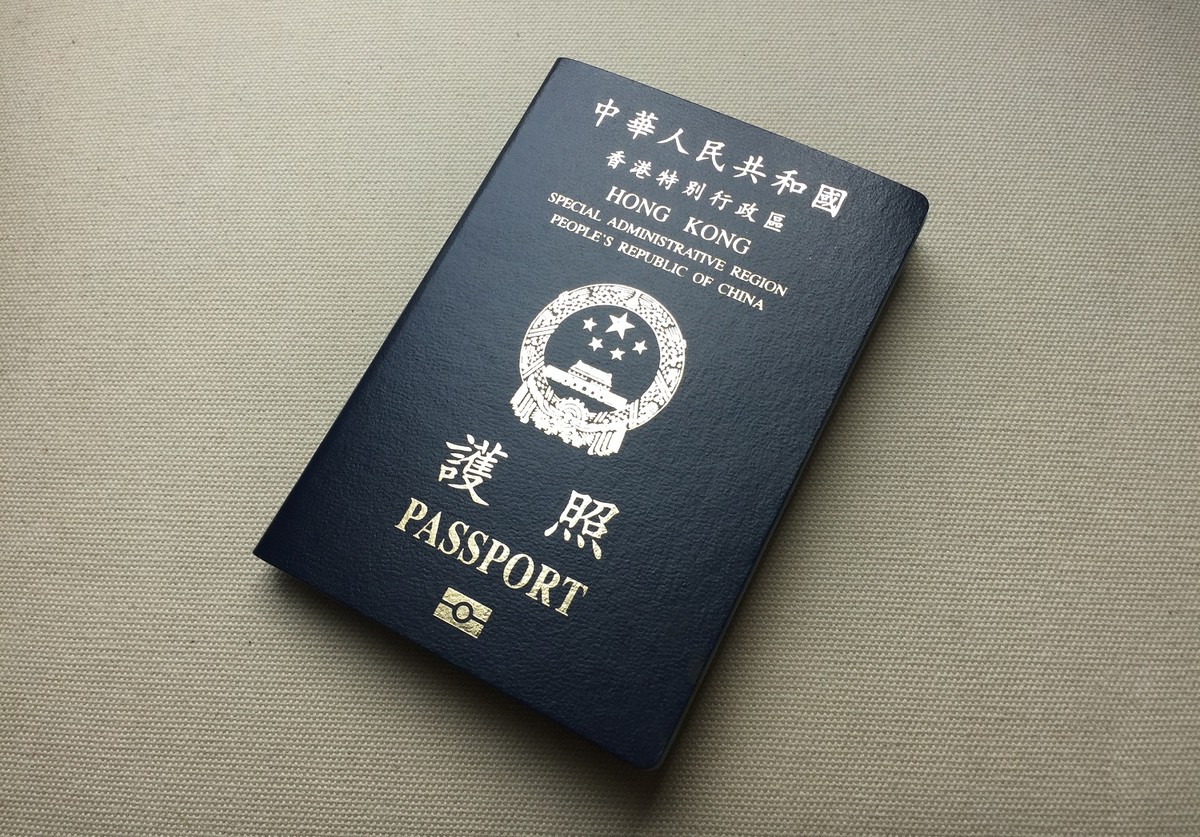
For many travelers from Hong Kong planning a trip to Hanoi, one of the biggest concerns before departure is not booking flights or hotels — it’s making sure the visa and immigration process goes smoothly. Even though Vietnam has made its electronic visa system much easier over the past few years, plenty of visitors still run into unexpected issues before boarding or after landing in Hanoi. A simple mistake such as entering the wrong passport number, selecting the incorrect airport, or forgetting to print the approved e-visa can quickly turn an exciting holiday into a stressful experience. Nobody wants to be stopped at the airline check-in counter in Hong Kong or held up at immigration after a long flight.
Fortunately, Hong Kong passport holders can now apply for a Vietnam e-visa entirely online without visiting an embassy or consulate. The process is faster and far more convenient than traditional visa applications. However, while the system itself is relatively straightforward, there are still several important details travelers need to pay close attention to. Passport validity, photo requirements, entry checkpoint selection, and arrival dates all play a major role in whether the application gets approved without delays.
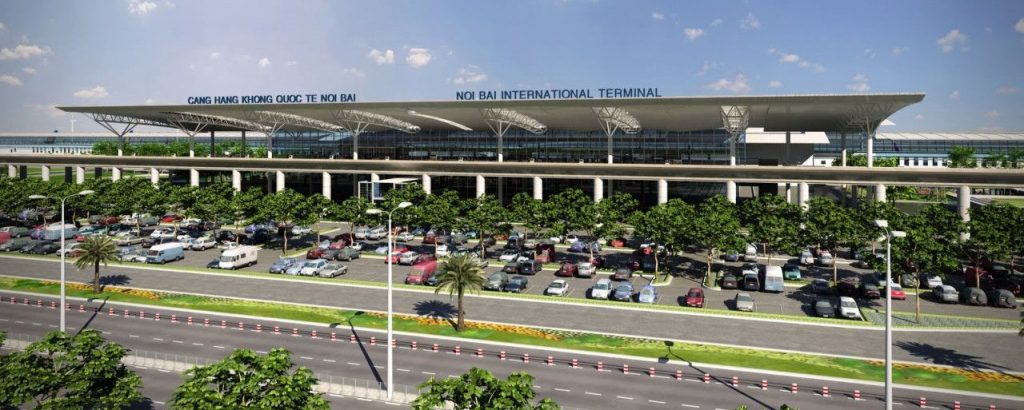
This guide is specifically designed for travelers flying from Hong Kong to Hanoi. It explains everything from Vietnam e-visa eligibility and application procedures to actual processing times, airport arrival preparation, immigration procedures at Noi Bai International Airport, and the most common issues Hong Kong visitors experience upon arrival in Vietnam.
A Vietnam e-visa is an official electronic travel authorization issued by the Vietnam Immigration Department that allows foreign travelers to legally enter and stay in Vietnam for a specific period of time. Depending on approval conditions, the e-visa can be issued for up to 90 days and may allow either single or multiple entries.
For travelers from Hong Kong, the Vietnam e-visa has become one of the most convenient ways to enter the country. Instead of visiting a Vietnamese embassy, applicants can complete the entire process online by submitting a digital form and uploading the required documents. Once approved, the e-visa can be used at several international airports across Vietnam, including Noi Bai International Airport in Hanoi.
One important detail many travelers overlook is the selected port of entry. If your flight arrives in Hanoi, your e-visa application must specify Noi Bai International Airport as your entry point. Immigration officers in Vietnam will compare your approved visa information with your actual arrival details, and any mismatch could lead to delays or additional questioning at immigration.
Before starting the application process, Hong Kong travelers need to make sure they meet all eligibility requirements for a Vietnam e-visa. The most important requirement is passport validity. Your passport must remain valid for at least six months beyond your planned arrival date in Vietnam.
Applicants must also prepare a clear scanned copy of their passport information page along with a passport-style photo that meets Vietnam’s photo requirements. Low-quality uploads, blurry images, or incomplete documents are among the most common reasons for delayed approvals.
Travel details also need to be entered carefully during the application process. Travelers are required to provide their planned arrival date, intended length of stay, and entry airport. If you are flying into Hanoi, choosing Noi Bai International Airport is essential. Incorrect travel information can create unnecessary complications once you arrive in Vietnam.
The Vietnam e-visa process is relatively simple, but every step should be completed carefully to avoid mistakes. Before applying, travelers should prepare their passport scan, digital ID photo, and basic trip information including estimated arrival date and accommodation details.
The next step is completing the online visa application form. All information entered must exactly match the details shown in your passport, especially your full name, passport number, and birth date. Even a small typo can result in processing delays or rejection.
After filling out the form, applicants upload the required documents and pay the visa fee online. The application is then reviewed by Vietnam immigration authorities. Travelers who want to minimize errors or speed up the process often prefer to use a professional visa support service such as https://www.vietnam-evisa.com/apply/
Once the e-visa is approved, the official visa letter is usually sent by email. Hong Kong travelers are strongly advised to print at least one paper copy before flying to Vietnam, as immigration officers at Hanoi Airport frequently request a printed version upon arrival.

Under normal circumstances, Vietnam e-visas are typically processed within 3 to 5 working days. However, processing times can vary depending on travel seasons, Vietnamese public holidays, and the volume of incoming applications.
Delays are also common when applications contain incomplete information or formatting errors. Because of this, travelers from Hong Kong should ideally apply at least one week before departure to avoid unnecessary stress.
For urgent travel situations, expedited visa services are also available. These services can significantly shorten approval times, particularly for travelers who need last-minute visas before their flight to Hanoi.
Before departing from Hong Kong, travelers should carefully double-check all travel documents to ensure everything is ready for immigration inspection in Vietnam. The most important document is the printed Vietnam e-visa approval letter.
Travelers must also carry the same passport used during the visa application process. Immigration officers will compare the passport details against the e-visa information, and discrepancies could cause delays at the airport.
It is also recommended to prepare return flight confirmations, hotel reservations, and accommodation details in Vietnam. Although immigration officers do not always request these documents, they may occasionally ask travelers to provide proof of travel plans or accommodation arrangements.
After landing at Noi Bai International Airport, travelers should follow airport signs toward the immigration area. This is where Vietnamese immigration officers verify all arrival documents before entry approval is granted.
At the immigration counter, Hong Kong travelers need to present both their passport and printed e-visa. In some cases, officers may also ask simple questions regarding travel plans, accommodation, or intended duration of stay in Vietnam.
Once the documents are approved, the immigration officer stamps the passport, officially allowing entry into Vietnam. Travelers can then proceed to baggage claim and continue through customs. Depending on arrival traffic and flight schedules, the immigration process may take anywhere from 10 minutes to nearly an hour.
One of the most common issues faced by Hong Kong travelers is incorrect information on the e-visa application. Mistakes involving passport numbers, names, or airport selections can trigger additional checks at immigration.
Another frequent problem is arriving without a printed copy of the e-visa approval. While digital copies on phones are sometimes accepted, immigration officers still strongly prefer printed documents, especially during busy travel periods.
Long immigration queues are also a major concern at Hanoi Airport, particularly during peak arrival hours when several international flights land around the same time. Waiting times can occasionally exceed one hour. Because of this, many travelers from Hong Kong choose to use Fast Track services, which allow them to access priority immigration lanes and complete the arrival process much faster.
Yes. Travelers from Hong Kong must obtain a valid Vietnam visa or e-visa before entering Hanoi.
Yes. Noi Bai International Airport officially accepts Vietnam e-visas for entry.
Standard processing usually takes around 3 to 5 working days, although urgent services are available for faster approval.
Yes. It is highly recommended to carry a printed copy to avoid issues during immigration checks.
Yes. Expedited visa services are available for travelers who need urgent approval before their flight.
Travelers should carry their passport, printed e-visa, return ticket details, and accommodation information.
The most common reasons include incorrect visa information, missing printed documents, and heavy passenger traffic during peak hours.
Yes. Many travelers use Fast Track services to access priority immigration lanes and avoid long queues.
For travelers flying from Hong Kong to Hanoi, the Vietnam e-visa system offers one of the simplest and most convenient ways to enter Vietnam. As long as all documents are prepared correctly and the visa information matches your travel plans, the immigration process is usually smooth and straightforward.
Travelers who want a safer and faster application process can submit their visa request through: https://www.vietnam-evisa.com/apply/