Email Us:


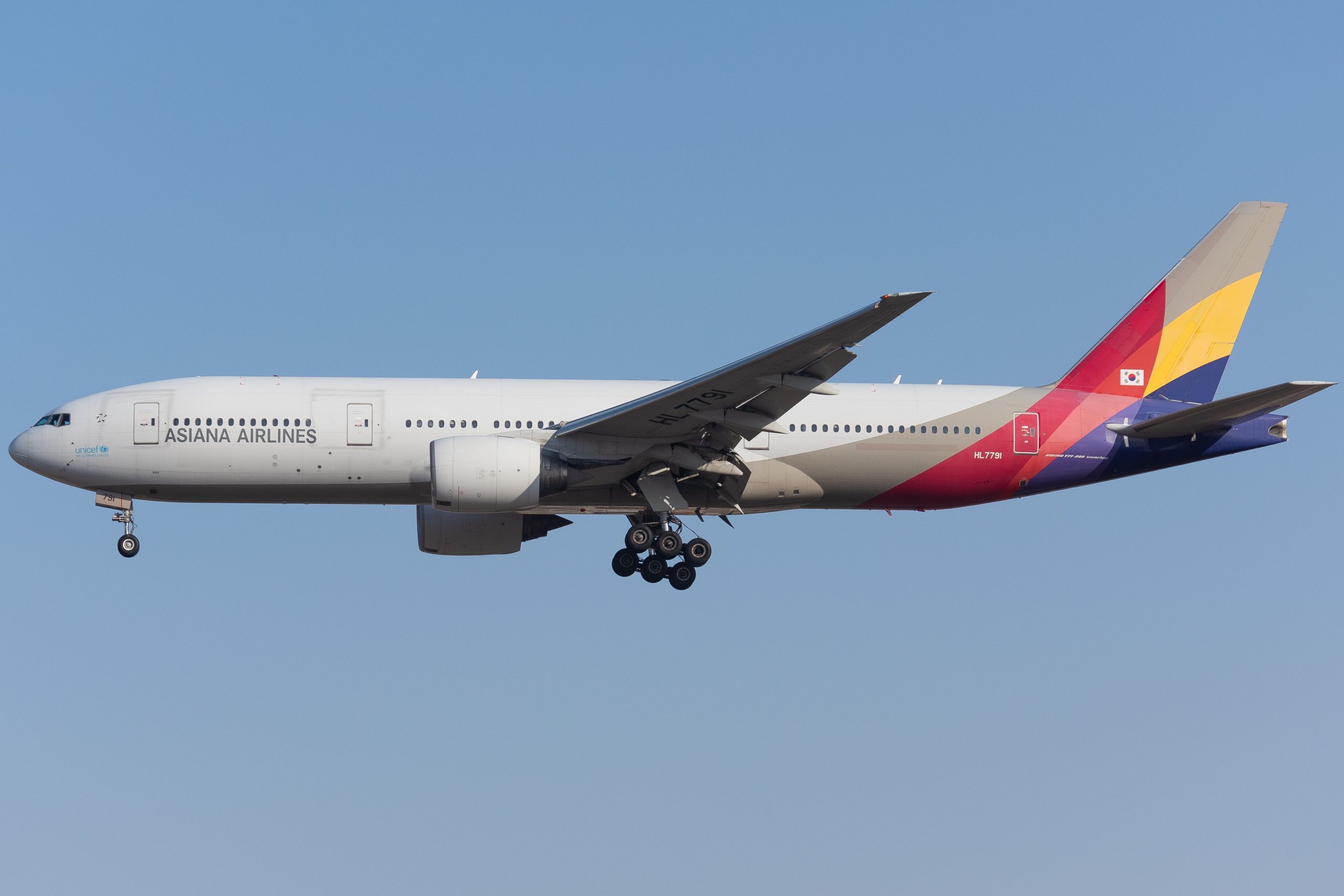
Your Asiana Airlines (OZ) flight to Vietnam is approaching, yet the visa side of the trip still feels unfinished. In an urgent situation, it is tempting to describe the entire problem simply as “my Vietnam visa is not ready,” but that phrase can hide several very different issues. Some travelers have not confirmed whether a visa is required, others are missing a passport image or another essential document, while some have already prepared everything but have not yet submitted an application. There are also passengers whose application is already pending, or whose original travel information has changed because Asiana Airlines updated the itinerary or a new passport was issued. When departure is close, the most effective approach is to identify the exact point where progress has stopped. Once that bottleneck is clear, the remaining time can be spent on the specific issue that actually needs attention instead of repeating steps that are already complete.
When travelers say that their Vietnam visa is “stuck,” they are often describing very different situations. For one passenger, the problem may be uncertainty about the visa requirement itself; for another, the application cannot move forward because important documents are still missing. Someone else may already have a complete application but has not submitted it yet, while another traveler may be waiting on a pending case as the OZ departure continues to approach.
The first task is therefore not to search immediately for the fastest processing option. A better starting point is to identify where the preparation has stopped and what is preventing it from moving forward.
| Possible bottleneck | What it usually means |
|---|---|
| Visa requirement unclear | You do not yet know whether an application is needed |
| Passport or documents incomplete | The application cannot be prepared properly |
| Application ready but not submitted | The process has not actually started |
| Application already pending | The issue is now the existing case |
| OZ departure approaching quickly | Travel time is moving faster than visa progress |
| Schedule changed | Previous travel information may need review |
| Visa approved but not checked | Final travel readiness is still incomplete |
Once the actual bottleneck has been identified, it becomes much easier to decide whether the next step is document preparation, submission, follow-up on an existing case, or final travel verification.
If you are not yet certain whether a visa is required, that uncertainty is the first issue that should be resolved. A confirmed Asiana Airlines booking does not automatically determine whether you need a Vietnam visa, because the OZ reservation and Vietnam entry requirements are separate parts of the journey.
Whether a visa is required may depend on your nationality, the passport you will use, intended length and purpose of stay, applicable visa-exemption conditions, and other circumstances connected with the trip. If you have not yet confirmed the requirement, check it first through the following page:
If your passport and journey qualify for an applicable visa exemption, you may not need to obtain an eVisa. If a visa is required, the first bottleneck has now been removed and you can move forward with the actual application preparation. This step is especially important in an urgent case because searching for emergency processing before confirming whether a visa is needed can use valuable time without solving the real issue.

Once you know that a visa is required, the next common bottleneck is incomplete information. In urgent situations, travelers may have most of the application prepared but still be missing a current passport image, a suitable portrait, accurate Vietnam arrival information, or confirmation of the intended entry point.
The most efficient way to remove this bottleneck is to organize all necessary information before submission. Use the passport you will actually carry on the Asiana Airlines journey, and take personal details directly from that document rather than relying on memory or copying information from an older travel file.
| Information to prepare | What to verify |
|---|---|
| Current passport | Same document you will travel with |
| Personal details | Match the passport |
| Passport image | Clear and appropriately prepared |
| Recent portrait | Meets applicable requirements |
| Latest OZ itinerary | Current Asiana Airlines schedule |
| Vietnam arrival | Correct local date |
| Intended entry point | Fits the planned route |
| Entry arrangement | Appropriate for the full journey |
If you recently renewed or replaced your passport, make sure outdated details are separated from the files being used for the current trip. In a time-sensitive case, even a small amount of confusion between old and current documents can create additional work later, so complete and accurate preparation is part of moving quickly.
Some travelers reach a point where the passport, photo, itinerary, and other information are ready, but the process is still waiting for one important step: submission. When the OZ departure is approaching, this type of bottleneck becomes increasingly significant because the visa process has not actually begun.
Before submitting, complete one final review of the passport details, personal information, expected Vietnam arrival, and latest Asiana Airlines itinerary. If professional assistance is needed, the relevant information can be submitted through Vietnam Visa Services:
Depending on the individual case and selected service, Vietnam Visa Services may assist with simplified application preparation, professional review of passport and personal information, verification of relevant documents, and expedited processing options where applicable. The objective is not to add unnecessary steps before submission, but to reduce the chance that an avoidable information issue becomes a new bottleneck immediately after the application begins.
Vietnam Visa Services is an independent visa-assistance provider. It is not affiliated with Asiana Airlines and is not a Vietnamese government immigration authority.
A pending application creates a different kind of bottleneck because the initial preparation and submission stages have already happened. At this point, the main task is to understand the existing case rather than automatically starting another one.
Locate the application details and confirm when the case was submitted, which passport was used, and what travel information was provided at that time. Then compare those details with your current OZ journey. If the passport remains the same and the itinerary is unchanged, the unresolved issue may simply be the current status of the existing application.
If you changed passports, Asiana Airlines updated your schedule, or your overall travel plan was revised after submission, those changes should be identified before deciding what to do next. A pending case should not automatically be treated as though no application exists, because repeating the process without understanding the current situation may add unnecessary complexity when time is already limited.
This is the situation many travelers think of when they search for an emergency Vietnam visa: the travel date is approaching more quickly than the visa preparation is progressing. However, even in this case, the correct response still depends on where the bottleneck is located.
If the problem is missing documents, complete those documents first. If the application is ready but has not been submitted, move toward submission. If an application is already pending, focus on the existing case. If the visa has already been approved, the issue is no longer processing speed but final verification.
This is why saying “my Asiana Airlines flight leaves tomorrow” does not fully describe the situation. A clearer picture should include the current passport, existing visa or application status, latest OZ itinerary, actual Vietnam arrival, and any recent changes to the trip. Together, these details show whether the real issue is preparation, submission, processing, or final review.
Once the bottleneck is identified, the next action should be aimed directly at that issue. If the visa requirement is unclear, confirm it first. If documents are incomplete, prepare the missing information. If the application is ready but still has not been submitted, complete the submission stage. If the application is already pending, review the existing case rather than starting from zero. If the visa is approved, shift your attention to checking the document against the current passport and latest OZ itinerary.
This approach helps prevent unnecessary repetition and makes urgent preparation more efficient because the remaining time is used only on the part of the process that is still incomplete. When professional visa assistance is needed, the relevant case information can be submitted through:
The more clearly the bottleneck is described, the easier it becomes to organize the next steps around the real problem instead of treating every urgent request as the same situation.

There is no single urgent processing time that applies to every Vietnam visa application. For eligible cases, Vietnam Visa Services may offer expedited processing options of approximately 2–8 hours or 1–2 days, depending on the individual circumstances and current service availability.
The available option may depend on factors such as the application itself, submission timing, completeness of the documents, selected service, and current processing conditions. These timeframes represent possible expedited service options rather than a guarantee that every application will be completed within a specific number of hours.
This distinction matters because not every bottleneck occurs at the same stage. A traveler whose documents are still incomplete is in a different position from someone whose application is already ready for submission, while a pending case is different again. Specific processing estimates, fees, eligibility, refund arrangements, availability, and applicable service conditions should therefore be confirmed for the individual request.
If your Asiana Airlines flight departs today and the visa issue is still unresolved, the best response is to simplify the situation and identify exactly what is still blocking the process.
If the visa requirement has never been confirmed, resolve that first. If essential documents are still missing, gather the necessary information. If the application is ready but has not yet been submitted, prepare the accurate information needed for assessment. If an application already exists, locate the existing case details and understand the current status. If the visa has already been approved, stop focusing on processing speed and begin the final document check.
A same-day departure creates significant time pressure, but it does not make every case identical. Even when only a short period remains, the most useful action is still the one that removes the specific issue currently holding up the journey.
A schedule change can create a new problem even if the visa process was moving normally beforehand. If Asiana Airlines updates your OZ itinerary, compare the old and new versions carefully and focus on the parts of the journey connected with Vietnam entry.
| OZ itinerary change | What to review |
|---|---|
| Departure time changed | Whether Vietnam arrival also changes |
| Travel date changed | Relevant visa validity |
| Connection changed | Complete travel sequence |
| Vietnam arrival changed | Application or visa information |
| Arrival point changed | Intended entry arrangement |
| Overall route changed | Full travel plan |
Not every schedule change creates a new visa bottleneck. If the adjustment is minor and the information relevant to Vietnam entry remains compatible with the existing visa arrangement, the effect may be limited. If the updated itinerary changes the Vietnam arrival date, arrival point, or complete travel pattern, however, the new journey should be reviewed before the traveler assumes that the original visa preparation still fits.
Replacing a passport can affect both the application information and the final travel documents, so this type of change deserves separate attention. If you received a new passport after booking the OZ flight or after beginning the visa process, identify which passport was used at each stage.
Do not assume that updating the passport in your Asiana Airlines booking automatically changes a separate visa application. Instead, compare the current passport directly with the application or approved visa information. If both the old and new passport scans are stored on the same device, keep them clearly separated so outdated information is not selected by mistake during urgent preparation.
The current passport should remain the main reference point throughout the trip because it is the document you will actually carry.
An approved visa removes the processing bottleneck, but it does not automatically mean every travel-preparation step is complete. Before departure, compare the approved visa with the passport you will actually carry and the latest Asiana Airlines itinerary.
| Final check | What to confirm |
|---|---|
| Personal details | Match the current passport |
| Passport number | Correct travel document |
| Visa validity | Covers the intended Vietnam arrival |
| Entry arrangement | Fits the complete journey |
| Vietnam arrival | Matches the current OZ itinerary |
| Passport used | Same document connected with the visa |
| Flight schedule | Latest Asiana Airlines booking |
If all of these details are consistent, the major visa bottleneck has been removed and the trip can move into normal departure preparation. If something appears inconsistent, that issue should be examined before travel rather than ignored simply because the visa already shows an approval result.
Before leaving for your Asiana Airlines journey, review the visa side of the trip one final time and ask whether anything is still preventing it from being complete.
| Possible remaining bottleneck | Final action |
|---|---|
| Visa requirement still unclear | Confirm it before proceeding |
| Documents incomplete | Finish preparation |
| Application not submitted | Move to submission |
| Application pending | Review the existing case |
| OZ itinerary changed | Recheck travel information |
| Passport changed | Compare the current document |
| Visa approved | Complete final verification |
The purpose of this review is not to repeat the entire process. It is to make sure no unresolved issue remains between the traveler and a fully prepared visa situation. When the OZ departure is close, one clearly identified bottleneck is much easier to manage than a vague feeling that “the visa is not ready.”
When an OZ flight is approaching, professional assistance can be useful for travelers who want help identifying and removing the part of the visa process that is still holding up the trip. Vietnam Visa Services has more than 15 years of experience assisting international travelers with Vietnam visa matters and provides 24/7 support for visa preparation and Vietnam entry-related questions.
Depending on the individual application and selected service, assistance may include simplified document preparation, professional review of passport and application information, verification of relevant files, and expedited processing options where applicable. For eligible cases, approximately 2–8 hour or 1–2 day expedited processing options may be available depending on the circumstances and current service availability.
Specific processing estimates, fees, eligibility, refund arrangements, and applicable service conditions should be confirmed for the individual request. Professional assistance does not replace the need for accurate passport and travel information; its practical value is helping the traveler identify where progress has stopped and organize the remaining steps more efficiently.

An emergency Vietnam visa situation before an Asiana Airlines (OZ) flight becomes easier to manage when you stop treating the entire visa process as one single problem. The real bottleneck may be uncertainty about the visa requirement, missing documents, an application that has not yet been submitted, a pending case, a changed itinerary, a new passport, or a visa that still needs final verification.
The most effective approach is to identify the specific blockage first and then deal with that issue directly. If the application is incomplete, finish the missing information. If the case is already pending, review the existing application. If the visa is approved, shift the focus toward final document consistency.
If your Asiana Airlines departure is approaching and you require professional assistance with a Vietnam visa application or want to assess available expedited processing options, you can submit the relevant information through Vietnam Visa Services: