Email Us:


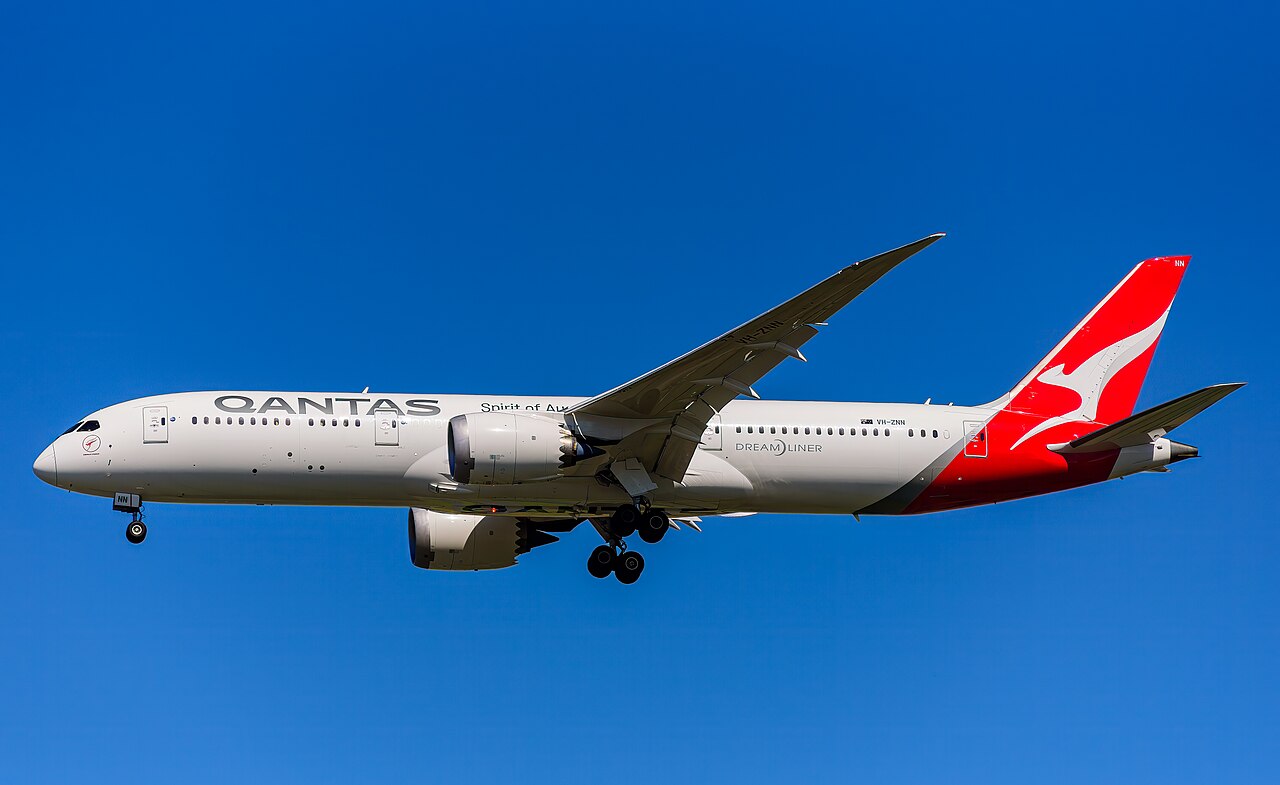
If you have already booked a Qantas (QF) journey to Vietnam, confirming your flight is only one part of preparing for departure. Your airline reservation establishes how you intend to travel, while your permission to enter Vietnam needs to be considered separately according to your nationality, the passport you will actually use, the length and purpose of your stay, and any visa-exemption conditions that apply to your circumstances. This distinction becomes particularly important when a Qantas itinerary contains several flight sectors, a connection, or a flight operated by another carrier. Instead of assuming that a confirmed QF booking means the immigration side of the journey is complete, use your passport and full itinerary as the basis for checking your Vietnam visa requirement, then compare your travel documents with the latest booking before you leave.
Once flights have been booked, travelers naturally pay attention to their booking reference, departure time, and QF flight number. For Vietnam visa purposes, however, the passport you intend to travel with is a more useful starting point because your visa requirement is not determined simply by the airline or flight code appearing on the reservation.
Several factors may affect what you need for the journey, including your nationality, the passport you intend to present when traveling, how long you expect to remain in Vietnam, the purpose of the visit, any visa-exemption conditions that apply to you, and whether the complete itinerary involves entering Vietnam once or several times. These factors should be considered together rather than assuming that every passenger on the same Qantas flight will have the same visa requirement.
You can check the Vietnam visa requirement applicable to your nationality here:
If your passport qualifies for an applicable visa exemption and your planned trip satisfies the relevant conditions, you may not need to obtain an eVisa for that particular visit. If the exemption does not apply to your circumstances, you should arrange an appropriate Vietnam visa before traveling. In practical terms, your Qantas booking confirms your planned air journey, while your passport and the applicable Vietnam entry rules determine which immigration documents need to be prepared.

For many passengers, deciding which passport they will travel with is straightforward. However, this deserves additional attention if you hold more than one passport, have recently renewed your travel document, or have replaced a lost, damaged, or expired passport after booking your Qantas journey.
When preparing your Vietnam visa information, work from the passport you genuinely intend to present during the trip. Your full name, nationality, date of birth, passport number, and other required personal information should be checked directly against that document rather than copied from an older record or entered from memory.
A passport change after visa preparation should also be treated separately from an airline-booking update. Changing passport information associated with a Qantas reservation does not mean that information connected with a visa application or approval is automatically changed at the same time. If the passport you intend to carry is different from the one used during earlier visa preparation, review the Vietnam visa arrangement again before departure.
If your passport requires a visa for the planned visit, the next step is to consider whether Vietnam’s electronic visa system is appropriate for your travel arrangements. Vietnam eVisas may be issued with a validity period of up to 90 days and may allow single or multiple entry depending on the visa granted, but the maximum permitted validity should not be the only factor you consider.
The structure of the entire trip is more important. A traveler flying from Australia to Vietnam, remaining in the country throughout the holiday, and returning home afterward has a relatively straightforward entry pattern. By comparison, someone who enters Vietnam, travels to another country during the same holiday, and later returns to Vietnam will need to consider the additional entry when preparing the visa.
The same principle applies to business or regional itineraries involving several destinations. Before proceeding, establish when you expect to arrive in Vietnam, how long you intend to stay, the purpose of your visit, the expected entry location, how many times the complete journey will bring you into Vietnam, and which passport you will use throughout the trip. This allows the visa to be prepared around your actual journey rather than only the first QF sector appearing on the booking.
A Qantas itinerary may contain more than one flight sector, so the first flight displayed on your reservation is not necessarily the flight that physically brings you into Vietnam. This is why it is useful to open the complete itinerary and follow the journey from the original departure point all the way to the Vietnamese destination.
Identify the sector on which you actually arrive in Vietnam, then check the scheduled local arrival date and destination shown on the current itinerary. If the journey contains a connection, do not automatically use the date on which the first flight leaves Australia as the Vietnam entry date. A trip may begin on one calendar day but reach Vietnam on the next, particularly when flight schedules cross midnight.
For visa preparation, the arrival information shown on the complete itinerary is therefore more useful than simply copying the first departure date. Reading the journey from beginning to end also helps you notice whether the itinerary has been modified since you originally planned the trip.
Some Qantas itineraries may include codeshare or partner arrangements, meaning that a QF flight number can appear in the booking while another airline operates a particular sector. This does not need to make the Vietnam visa process complicated, but it does mean that you should read the complete flight information rather than relying only on the marketing flight number.
When reviewing such an itinerary, identify the sector that actually brings you into Vietnam, the airport where you expect to arrive, the local arrival date, and any connection immediately before that sector. If the booking displays both a QF flight number and another operating carrier, keep the full itinerary available during your visa preparation and final pre-flight review.
The central questions remain the same regardless of which carrier operates an individual sector: when do you actually enter Vietnam, where do you arrive, which passport will you present, and does your visa arrangement correspond with that journey? Looking at the complete booking provides a clearer answer than focusing on the QF code alone.
A practical way to prepare Vietnam visa information is to treat the process as a comparison between your identity documents and your travel documents. Place the passport you intend to use beside the latest version of your Qantas itinerary, then work directly from those sources when preparing the required information.
Your passport should be used to confirm your name, nationality, date of birth, passport number, and other personal details. Your itinerary should be used to establish when you actually expect to arrive in Vietnam and where the journey brings you into the country. You should also prepare the required passport image and recent personal photograph according to the current application requirements.
Before proceeding, the main information can be reviewed together:
| Document or information | What to verify |
|---|---|
| Passport | Full name and required personal details |
| Passport | Correct passport number |
| Passport image | Clear and suitable for submission |
| Personal photograph | Meets the applicable requirements |
| Qantas itinerary | Actual Vietnam arrival date |
| Complete itinerary | Intended Vietnamese destination |
| Full travel plan | Expected number of Vietnam entries |
| Current booking | Any relevant changes since the original reservation |
This approach helps reduce the possibility of accidentally using information from an old passport, an earlier itinerary, or a travel plan that has since been changed.
After confirming that a visa is required and checking the relevant passport and travel information, you can proceed with the visa process. Travelers who would like professional assistance preparing and reviewing their Vietnam visa information can submit their details through Vietnam Visa Services:
The service is intended for travelers who prefer additional assistance with application preparation, document checking, or questions concerning their visa and entry arrangements. Depending on the individual application and selected service, assistance may include simplified preparation of application information, review of passport and personal details, checking relevant documents, answering visa-related questions, and providing support during processing.
Vietnam Visa Services has more than 15 years of experience assisting international travelers with Vietnam visa matters and provides 24/7 support for visa and entry-related questions. For eligible applications, expedited processing options may also be available when an upcoming departure leaves less time for standard processing, although availability depends on the individual circumstances and selected service.
Applicable processing times, service fees, expedited arrangements, refund conditions, and other terms should be reviewed when submitting the request. Vietnam Visa Services operates independently as a visa-assistance provider and is not Qantas or a Vietnamese government immigration authority.

If your journey begins in Australia, it can be helpful to separate the date on which the trip starts from the date on which you actually enter Vietnam. These dates may be the same for some itineraries, but they should not automatically be treated as identical.
Begin by checking when you leave Australia, then follow the itinerary until you find the sector that actually reaches Vietnam. If you connect through another airport before continuing onward, the date of your first Australian departure is not necessarily your Vietnam entry date. Instead, use the local arrival information associated with the flight that brings you into Vietnam.
You should also consider what happens after that first arrival. If Vietnam is the only international destination on the trip, the entry pattern may be simple. If you are combining Vietnam with other destinations in Asia and later returning to Vietnam, the complete route should be considered when deciding what visa arrangement fits the journey.
A connecting itinerary is easier to understand when it is divided into stages. The first part of the journey takes you from your origin to the connecting point, while the later sector eventually brings you into Vietnam. For Vietnam visa preparation, the second stage is particularly important because it establishes when and where you actually enter the country.
Having a connection does not by itself create a special Vietnam visa category simply because another airport or airline appears in the itinerary. However, the connecting point may have its own transit or entry requirements depending on your passport, route, baggage arrangements, and whether your itinerary requires you to complete local entry procedures.
For that reason, connection requirements and Vietnam entry requirements should be checked as separate questions. This keeps the travel preparation clearer and avoids treating rules that apply at an intermediate airport as though they were part of the Vietnam visa itself.
Airline schedules and personal travel plans can change after a visa has already been prepared. If Qantas or another carrier involved in your journey updates the itinerary, the most useful response is to identify exactly what changed and whether that change affects your actual Vietnam entry.
A small departure-time adjustment that leaves the Vietnamese arrival date and destination unchanged may have limited relevance to the visa. By contrast, if the revised schedule causes you to arrive in Vietnam on a different date, that new arrival should be compared with the applicable visa validity.
A change to the Vietnamese destination or intended entry location should also prompt another review. Likewise, if the revised itinerary changes the overall trip so that you now expect to enter Vietnam more times than originally planned, you should check whether the existing visa arrangement still suits the new journey.
Rather than reacting to every schedule notification in the same way, focus on whether the change affects the date, location, entry pattern, or travel document relevant to your arrival in Vietnam.
If another carrier operates one or more sectors shown within your Qantas itinerary, keep the complete booking available when reviewing your visa and travel documents. The presence of multiple airlines within the same journey does not mean that each airline requires a separate Vietnam visa; what matters is the actual way in which you enter the country.
Identify which flight physically brings you into Vietnam, the airport at which you arrive, the scheduled arrival date, and whether your later travel plans involve entering Vietnam again. If you have purchased separate tickets rather than a single connected reservation, place those bookings together and review them as one complete journey.
This gives you a clearer picture of your actual travel pattern and reduces the risk of preparing the visa around one reservation while overlooking another flight that changes the number or timing of your Vietnam entries.
Renewing or replacing your passport between visa preparation and departure is a significant travel-document change. A new passport will normally contain a different document number and may include other updated information, so the situation deserves a separate review rather than being treated like an ordinary airline-booking modification.
Updating passport information with Qantas or another carrier should not be assumed to update information associated with your visa application or approval. Instead, compare the new travel document with your existing Vietnam visa arrangement and determine whether anything needs to be addressed before departure.
Your final travel preparation should always be based on the passport you will physically present during the journey. If that passport is different from the document used during earlier visa preparation, review the visa before traveling rather than relying on the previous check.
Receiving your Vietnam visa approval is an important milestone, but the most useful next step is to compare three things at the same time: your passport, the approved visa, and your latest travel itinerary. Looking at these documents together makes it easier to identify whether the traveler, the immigration document, and the journey still correspond with one another.
Begin by comparing the relevant personal and passport information on the visa with the passport you intend to carry. Then check the visa validity against your planned Vietnam arrival and overall travel pattern. Finally, open the latest Qantas itinerary and confirm that it still reflects the journey around which the visa was prepared.
If all three remain consistent, your pre-flight documentation is easier to manage. If the passport, visa information, or itinerary has changed, identify the difference and review whether it affects the entry arrangement before you travel.
Several days before the journey begins, bring all the important documents together for one final review rather than waiting until you are already at the airport. This final check should cover both the basic identity documents and the structure of the actual itinerary.
| Check | What to confirm |
|---|---|
| Passport | Correct passport is ready for the journey |
| Visa requirement | Visa exemption or visa requirement has been confirmed |
| Vietnam visa | Approved and suitable for the trip if required |
| Personal details | Relevant information corresponds with the passport |
| Visa validity | Covers the intended Vietnam arrival |
| QF itinerary | Latest version is being reviewed |
| Operating flight | Actual Vietnam-bound sector has been identified |
| Arrival destination | Consistent with the current travel plan |
| Entry pattern | Required number of Vietnam entries has been considered |
| Connections | Relevant transit requirements have been reviewed separately |
| Other bookings | Separate airline reservations are included in the overall review |
| Travel documents | Organized and accessible for the journey |
The purpose of this check is not simply to confirm that each document exists. It is to make sure that all the documents still describe the same traveler and the same journey after any schedule, passport, or itinerary changes.
Professional visa assistance may be useful when your journey involves more than a straightforward point-to-point flight or when you would prefer additional support reviewing important application information. This can be particularly relevant when a Qantas itinerary includes multiple sectors, another operating carrier appears in the booking, separate airline reservations are involved, travel dates have changed, the trip includes multiple Vietnam entries, or you have recently renewed your passport.
Assistance may also be useful if you are uncertain about information required for the application or would like important passport and travel details reviewed during the preparation process. If departure is approaching, you may also want to understand whether an expedited processing option is available for your individual circumstances.
Vietnam Visa Services provides visa application preparation and document-review assistance backed by more than 15 years of experience with Vietnam visa matters, together with 24/7 support for visa and entry-related questions. For eligible cases, expedited processing options may be available depending on the individual application and selected service, while applicable processing times, fees, refund arrangements, and other conditions should be reviewed before proceeding.
Qantas passengers who would like professional assistance preparing their Vietnam visa can submit their information at:

Before leaving for your flight, bring the key parts of the journey together one final time. The passport in your possession should be the document you genuinely intend to use, while your Vietnam visa or applicable exemption should correspond with the journey you are actually taking. The latest itinerary should also show an arrival plan that remains consistent with the information used during your final visa review.
If the QF booking contains multiple sectors, identify the flight that ultimately brings you into Vietnam rather than focusing only on the first flight number. If another airline operates part of the journey, retain the complete itinerary so that the full route remains clear. Most importantly, if your passport, Vietnam arrival date, destination, or number of planned entries has changed, review the visa arrangement again instead of relying on a check completed before those changes occurred.
For Qantas (QF) passengers traveling to Vietnam, the most reliable way to prepare is to begin with the passport and complete itinerary rather than the airline code alone. Confirm whether your nationality and travel circumstances require a visa, determine whether an applicable exemption or Vietnam eVisa suits the journey, and use the actual Vietnam arrival shown on the current itinerary when preparing your information. If the booking includes connections, partner-operated flights, separate tickets, or later schedule changes, review the entire route and concentrate on the details that genuinely affect your Vietnam entry. Before departure, compare your passport, visa, and latest itinerary once more so that all three remain consistent. Travelers who would like professional assistance preparing or reviewing their Vietnam visa information can submit their details through Vietnam Visa Services at https://www.vietnam-evisa.com/apply/.