Email Us:


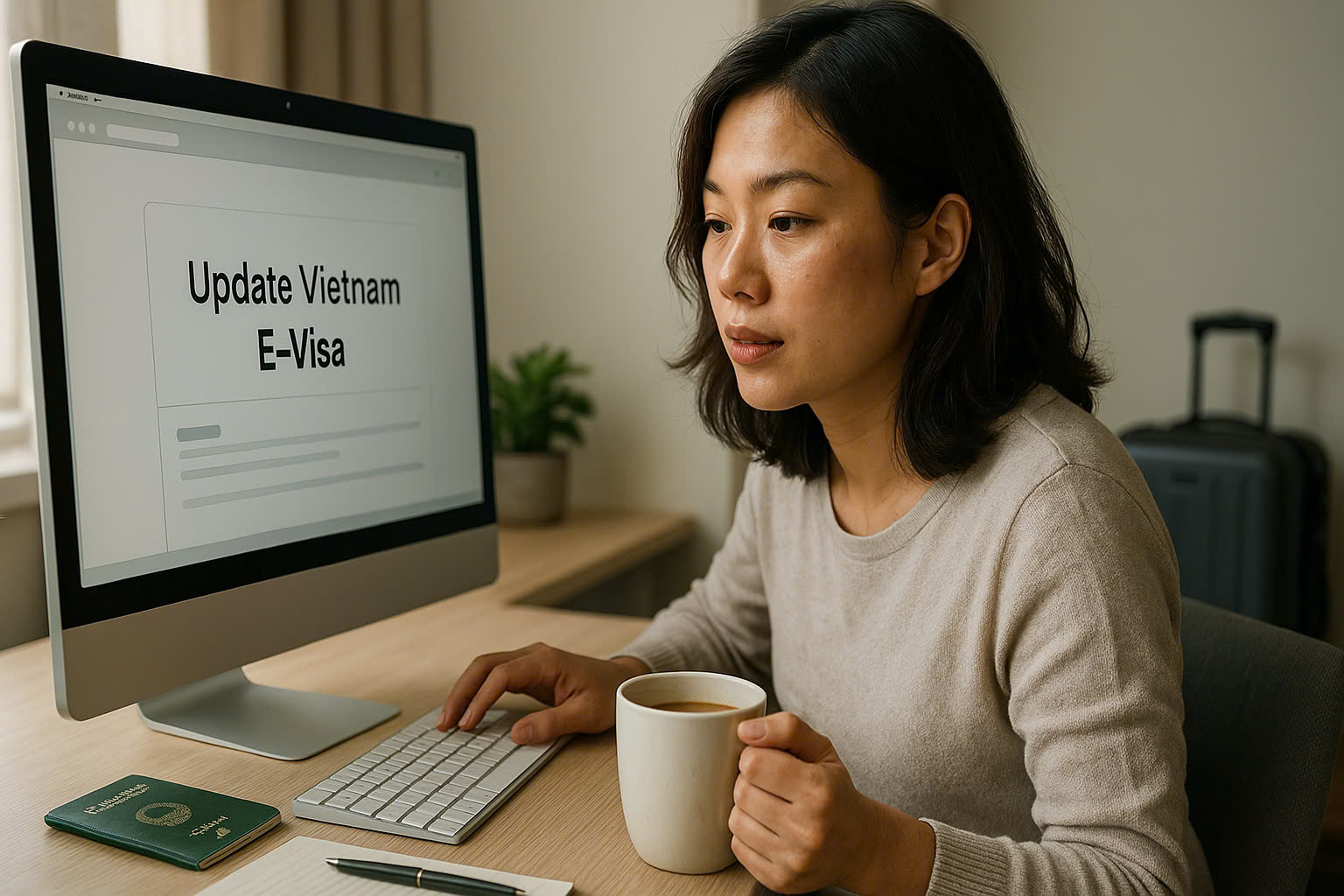
Your Vietnam trip is just around the corner, but instead of getting excited, you’re dealing with an eVisa application that won’t go through. Whether your payment failed, your passport photo was rejected, or you never received a confirmation email, even a small mistake can quickly turn your travel plans into a stressful experience. The good news is that most Vietnam eVisa application problems are common, easy to identify, and completely avoidable. In this guide, you’ll learn why these issues happen, how to solve them, and what you can do to ensure your Vietnam eVisa application is approved as smoothly as possible.
The Vietnam eVisa application process is designed to be fast and convenient, allowing eligible travelers to apply online without visiting an embassy or consulate. While the system is straightforward, it is not fully automated. Every application is reviewed to verify that the information provided matches the applicant’s passport and complies with Vietnam’s immigration requirements. Because of this verification process, even minor mistakes can lead to delays, requests for corrections, or application rejection.
One of the biggest reasons applications fail is inaccurate personal information. Details such as your full name, passport number, nationality, date of birth, and passport expiration date must exactly match the information shown on your passport. A simple typo, missing middle name, or incorrect passport digit may seem insignificant, but it can prevent immigration officers from confirming your identity, resulting in additional processing time or rejection.
Another common issue involves uploading documents that do not meet the required standards. Your passport data page must be clear, complete, and easy to read, while your portrait photo should follow the official guidelines regarding size, lighting, background, and image quality. Blurry passport scans, cropped images, or low-quality photos are among the most frequent reasons applications require further review.
Technical issues can also create unexpected problems during the application process. Some travelers experience payment failures due to international banking restrictions, browser compatibility issues, unstable internet connections, or temporary website errors. Others accidentally submit duplicate applications after refreshing the payment page or assuming the first submission was unsuccessful. These situations can cause unnecessary confusion and may even delay the processing of your visa.
Timing is another factor that should never be overlooked. Many applicants wait until just a few days before departure to apply, leaving little room to resolve unexpected issues. Although Vietnam eVisas are often processed within the standard timeframe, processing may take longer during public holidays, peak travel seasons, or when additional verification is required. Applying well in advance provides enough time to correct mistakes and reduces the risk of travel disruptions.
The encouraging news is that most Vietnam eVisa application problems are entirely preventable. Taking a few extra minutes to carefully review your personal information, prepare high-quality supporting documents, and verify every detail before submission can significantly improve your chances of approval. In the following section, we’ll walk through the 15 most common Vietnam eVisa application problems, explain why they happen, and show you exactly how to fix each one so you can complete your application with confidence.
Applying for a Vietnam eVisa is generally a straightforward process, but small mistakes or technical issues can quickly turn a simple application into a frustrating experience. Below are the 15 most common problems travelers encounter, along with their causes and practical solutions to help you avoid unnecessary delays or rejection.
Entering incorrect personal details is one of the leading causes of Vietnam eVisa problems. Mistakes such as misspelled names, incorrect passport numbers, wrong dates of birth, or selecting the wrong nationality can prevent immigration officers from verifying your identity.
How to fix it: Carefully compare every field with your passport before submitting the application. If you notice an error after submission, you may need to submit a new application, depending on the type of mistake.
Your passport data page must be clear and fully visible. Blurry images, cropped pages, glare, or low-resolution scans can make important information unreadable and delay the verification process.
How to fix it: Upload a high-quality color scan showing the entire passport information page. Ensure all text, numbers, and the Machine Readable Zone (MRZ) are clearly visible.
Many applicants upload casual selfies or photos that do not meet the official requirements. Wearing sunglasses, hats, using dark backgrounds, or submitting outdated photos can all lead to processing issues.
How to fix it: Use a recent passport-style photo with a plain background, good lighting, and a clear view of your face.
Payment failures are surprisingly common and may occur because your bank blocks international transactions, your internet connection is interrupted, or the payment gateway experiences temporary issues.
How to fix it: Confirm that your payment card supports international online transactions. If the payment fails, wait a few minutes before trying again, and avoid submitting multiple applications simultaneously.
After submitting an application, some travelers become concerned when they don’t receive a confirmation email immediately.
How to fix it: Check your spam or junk folder first. Make sure you entered the correct email address during the application. If necessary, use your application reference number to check your application status.
A pending application doesn’t necessarily mean something is wrong. Processing times may be longer during holidays, weekends, or periods of high demand.
How to fix it: Wait until the normal processing period has passed before taking further action. Submitting another application while the first is still under review may create unnecessary complications.
The Vietnam eVisa is issued based on the entry information you provide. Choosing the wrong airport, seaport, or land border may cause problems when entering Vietnam.
How to fix it: Review your travel itinerary carefully before applying and ensure the selected port of entry matches your actual travel plans.
Entering the wrong arrival or departure date may result in a visa that does not match your itinerary.
How to fix it: Double-check your flight bookings and make sure your requested visa validity covers your entire stay in Vietnam.
Some applicants accidentally enter the wrong passport expiration date or apply using a passport that is close to expiring.
How to fix it: Verify the expiry date directly from your passport before submitting the application. If your passport will expire soon, consider renewing it before applying.
Many travelers overlook their middle name or enter it differently from the passport. Even small inconsistencies can cause verification issues.
How to fix it: Enter your full name exactly as it appears on the passport, including all middle names and special characters where applicable.
In some cases, immigration officers may need additional clarification because the uploaded documents are unclear or certain information cannot be verified.
How to fix it: Monitor your email regularly after submission and respond promptly if additional information is requested.
Applicants sometimes submit the same application multiple times after experiencing payment delays or website errors.
How to fix it: Before creating a new application, confirm whether your previous submission was successful. Duplicate applications may slow down the review process.
Temporary maintenance, browser incompatibility, or heavy website traffic may prevent you from accessing or completing the application.
How to fix it: Try using a different browser, clear your browser cache, switch devices, or wait and try again later if the website is temporarily unavailable.
Receiving an approved eVisa doesn’t always mean everything is perfect. Occasionally, travelers discover incorrect information after downloading the document.
How to fix it: Review your approved eVisa immediately after receiving it. If you identify an error, seek assistance before traveling to avoid complications at immigration.
A rejection can happen for various reasons, including incorrect information, poor-quality documents, or failure to meet immigration requirements. While receiving a rejection is frustrating, it doesn’t necessarily mean you cannot obtain a Vietnam eVisa.
How to fix it: Carefully identify the reason for the rejection, correct any mistakes, prepare compliant supporting documents, and submit a new application if necessary. If your travel date is approaching or you’re unsure what caused the rejection, seeking professional assistance can help you avoid repeating the same errors and improve your chances of approval.

While many Vietnam eVisa application problems can be resolved, preventing them from happening in the first place is always the best approach. Spending a few extra minutes reviewing your application before submission can save you days of unnecessary delays and stress.
Before submitting your application, make sure your passport is valid, your passport scan is clear and complete, and your portrait photo meets the official requirements. Carefully compare every piece of personal information with your passport, including your full name, passport number, nationality, and date of birth. Even a minor typo can create problems during the verification process.
You should also verify your travel information, including your intended entry date, exit date, and port of entry. Since these details are used to issue your eVisa, inaccuracies may affect your travel plans.
Finally, avoid waiting until the last minute to apply. Submitting your application well in advance gives you enough time to correct any unexpected issues and significantly reduces the risk of missing your trip.
Not every mistake requires a new application, but some errors cannot be corrected once the application has been submitted. If you entered incorrect passport information, your full name does not match your passport, or your application was rejected due to inaccurate details, submitting a new application is often the quickest solution.
On the other hand, if your application is simply taking longer than expected, it is usually better to wait until the normal processing period has passed before taking further action. Submitting multiple applications for the same trip may complicate the review process.
If you’re unsure whether you should wait, correct your application, or submit a new one, seeking professional advice can help you avoid unnecessary delays and additional costs.
If your departure date is approaching and your Vietnam eVisa is still pending, rejected, or affected by unexpected issues, acting quickly is essential. Instead of repeatedly trying to fix the problem yourself, professional assistance can often save valuable time and reduce the risk of further mistakes.
At Vietnam eVisa Services, experienced visa specialists carefully review your application before submission, helping identify errors that could lead to delays or rejection. Whether you need urgent processing, assistance with document preparation, or guidance on correcting application issues, the team provides reliable support throughout the entire process.
For travelers with tight schedules, emergency processing options may be available, with processing times as fast as 2–8 hours for eligible cases. Combined with simplified documentation requirements, 24/7 customer support, more than 15 years of industry experience, and a 100% refund policy if the visa cannot be issued in time (subject to service terms), professional support offers greater confidence when every hour matters.
If you’d like expert assistance with your Vietnam eVisa application, you can submit your request here:

1. How long does it take to process a Vietnam eVisa?
Standard processing usually takes several working days, although actual processing times may vary depending on workload, holidays, and individual applications.
2. Can I edit my Vietnam eVisa application after submitting it?
Some errors may require submitting a new application, especially if they involve passport information or personal details.
3. What should I do if my payment fails?
Check with your bank, ensure your card supports international online payments, and try again after a few minutes using a stable internet connection.
4. Why didn’t I receive a confirmation email?
Check your spam or junk folder first. If necessary, verify your application status using your application reference number.
5. Can I enter Vietnam through a different airport?
Your approved eVisa should match your planned entry details. Always verify your itinerary before applying.
6. What happens if my eVisa application is rejected?
Identify the reason for the rejection, correct any issues, and submit a new application if necessary.
7. Can I submit two applications at the same time?
This is generally not recommended, as duplicate applications may complicate processing.
8. How early should I apply for a Vietnam eVisa?
Applying at least one to two weeks before your departure is recommended to allow time for unexpected delays.
9. Can someone help review my application before submission?
Yes. Many travelers choose professional visa services to review their documents and reduce the risk of rejection.
10. Is professional visa assistance worth it?
If you’re traveling on a tight schedule, have a complex case, or simply want extra peace of mind, professional assistance can help minimize avoidable mistakes and streamline the application process.
Although Vietnam eVisa application problems can be frustrating, most are caused by simple mistakes or technical issues that are easy to prevent. By carefully checking your personal information, preparing high-quality documents, and applying early, you can greatly improve your chances of receiving your eVisa without unnecessary delays.
If you prefer a smoother application process or need urgent assistance, working with experienced visa specialists can provide valuable support from start to finish. With the right preparation—or professional guidance—you can focus less on paperwork and more on enjoying everything Vietnam has to offer.