Email Us:


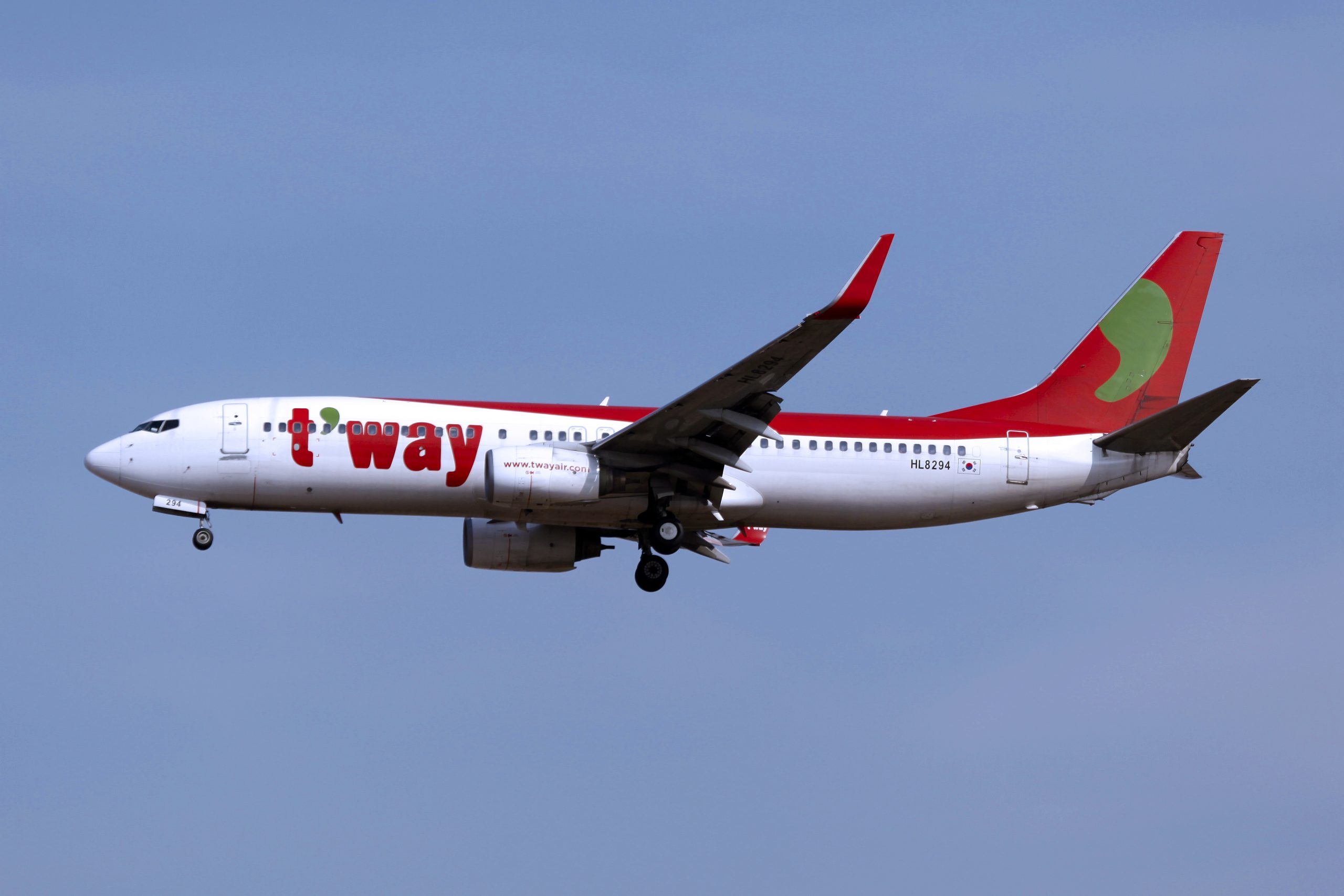
Your T’way Air (TW) flight to Vietnam is getting close, but your Vietnam visa is still not fully prepared. When departure is only a short time away, the natural reaction is to move faster: find the passport, upload the documents, submit the application, and look for the quickest available processing option. Speed certainly matters in a last-minute situation, but rushing can also create a different problem. Travelers under time pressure are more likely to rely on an old passport image, overlook the actual Vietnam arrival date, misunderstand the status of an application that has already been submitted, or assume that choosing an urgent service means every case will follow exactly the same processing time. The better approach is not to slow the process down unnecessarily, but to remove the mistakes that can make an already urgent situation more complicated. If your TW departure is approaching, understanding the most common last-minute errors can help you prepare the application more efficiently while keeping the passport, visa information, and actual journey aligned.
Preparing a Vietnam visa several weeks before departure and preparing one shortly before a T’way Air flight are fundamentally different situations. When there is plenty of time, a traveler can review documents, check dates, and correct missing information without feeling that every minute matters. When the TW departure is close, those same tasks are often completed much faster.
The danger is not speed itself. The problem begins when speed replaces verification.
A last-minute traveler may be trying to complete several tasks at once: checking the T’way Air booking, finding passport files, reviewing Vietnam entry requirements, preparing photographs, and determining whether expedited processing is available. This creates more opportunities to overlook information that would normally receive a second check.
For this reason, a good last-minute strategy should combine two objectives: reduce unnecessary delays while preserving the accuracy of the information that matters.

A confirmed T’way Air reservation tells you that you have an airline booking. It does not, by itself, establish whether you satisfy Vietnam’s entry-document requirements.
Before preparing an urgent application, confirm whether the passport you will use actually requires a Vietnam visa for the planned trip. Depending on the traveler’s nationality, passport, intended stay, purpose of travel, and applicable exemption conditions, the requirement may differ.
If you have not checked yet, you can review the visa requirement here:
This step is particularly important in a last-minute situation because applying quickly for something you may not need does not make the trip more prepared. Likewise, assuming that no visa is required without checking the applicable conditions can create a much more serious problem close to departure.
The starting point should therefore be the actual entry requirement for your passport and trip, not simply the fact that a TW ticket has already been issued.
When travelers are worried about an approaching flight, they naturally focus on the departure date and time shown at the top of the itinerary. However, for visa preparation, the first TW departure is not the only date that deserves attention.
You should also look at when you are actually scheduled to arrive in Vietnam.
Depending on the itinerary, your journey may include an overnight flight, a connection, or a date change between departure and arrival. A traveler who begins the journey late in the evening may not reach Vietnam until the following calendar day.
Review the complete itinerary rather than relying on the first flight segment alone:
| Travel detail | What to check |
|---|---|
| TW departure | When your journey begins |
| Connection, if any | How the trip continues |
| Date change | Whether the journey crosses midnight |
| Vietnam arrival | Actual local arrival date |
| Arrival airport | Intended Vietnam entry point |
| Return or later travel | Whether the complete visa arrangement fits the trip |
This simple check can prevent a last-minute traveler from building the application around the wrong date.
When time is limited, the easiest file to find often feels like the fastest file to use. That becomes risky when the traveler has renewed or replaced a passport.
Old passport scans may remain in cloud storage, email attachments, messaging applications, or a phone’s photo gallery long after the new passport has been issued. If both documents look similar at a glance, the wrong file can easily be selected during a rushed application.
Before uploading passport information, physically check the passport you intend to carry on the T’way Air journey and compare it with the digital file.
Confirm the passport number, personal details, validity information, and passport image being used for the application. If old files are still stored on your device, clearly separate them from the current document.
Saving a few seconds by choosing the first passport image you see is not useful if that choice creates an information mismatch later.
Most travelers know their own name, birthday, and passport details well enough to feel confident entering them without looking at the document. In a last-minute visa situation, however, confidence is not a substitute for verification.
Enter application information directly from the current passport. Pay particular attention to names, passport number, nationality, date-related fields, and other information that needs to correspond with the travel document.
A useful preparation table is:
| Application information | Best reference |
|---|---|
| Full name | Current passport |
| Passport number | Current passport |
| Nationality | Current passport |
| Passport details | Current passport |
| Vietnam arrival | Latest TW itinerary |
| Intended entry point | Actual travel plan |
| Travel dates | Complete current itinerary |
This does not add much time to the application. In most cases, keeping the passport and itinerary open beside you actually makes preparation faster because you do not need to rely on memory or return later to verify uncertain information.
Airline schedules can change. If you saved or printed the T’way Air itinerary earlier, make sure it is still the version that reflects your current journey.
A change in departure time does not automatically mean the visa arrangement needs to change. What matters is whether the revised schedule affects information relevant to your Vietnam entry, such as the actual arrival date, arrival point, or overall travel plan.
Before submitting a last-minute application, compare the latest itinerary with the information you intend to use.
If T’way Air changed only a minor timing detail and the Vietnam arrival remains unchanged, the effect may be limited. If the revised itinerary moves your arrival to another date or materially changes the route, the updated travel information deserves a closer review.
In an urgent situation, using the latest itinerary is usually easier than discovering later that the application was prepared around an outdated schedule.
“Start as quickly as possible” and “submit before checking anything” are not the same strategy.
Before moving to submission, prepare the current passport information, required images, actual Vietnam arrival details, intended entry point, and latest TW itinerary. Having these materials available in one place reduces interruptions and makes the application easier to review.
If you require professional assistance with a last-minute Vietnam visa application, the relevant information can be submitted through Vietnam Visa Services:
Depending on the individual case and selected service, Vietnam Visa Services may assist with simplified document preparation, professional verification of passport and application information, review of relevant files, and expedited processing options where applicable.
Vietnam Visa Services is an independent visa-assistance provider. It is not affiliated with T’way Air and is not a Vietnamese government immigration authority.
The purpose of professional verification in a time-sensitive case is not to make the process unnecessarily longer. It is to help organize the application so that moving quickly does not mean ignoring important information.

One of the easiest misunderstandings in a last-minute visa situation is to treat “urgent processing” as a single fixed timeframe.
In practice, there is no universal processing time that applies to every Vietnam visa application. The options available may depend on the individual case, completeness of documents, submission timing, selected service, and current processing availability.
For eligible cases, Vietnam Visa Services may offer expedited processing options of approximately 2–8 hours or 1–2 days, depending on the circumstances and current service availability.
These timeframes describe possible expedited service options rather than a guarantee that every application will be completed within the same number of hours.
This distinction becomes especially important when your TW departure is already close. The relevant question is not simply, “What is the fastest Vietnam visa?” It is whether an appropriate expedited option is available for your particular application and whether it fits the remaining travel schedule.
Specific processing estimates, fees, eligibility, refund arrangements, and applicable service conditions should be confirmed for the individual request.
If you have already submitted a Vietnam visa application and the result has not yet been issued, do not automatically treat yourself as a traveler who has never applied.
First, locate the existing application details. Check which passport was used, when the application was submitted, what travel information was provided, and whether anything has changed since then.
If the passport and travel arrangements remain the same, the primary issue may simply be the pending status of the existing case.
If you have changed passports or T’way Air has materially changed the itinerary, then those differences should be identified before deciding on the next action.
In a last-minute situation, repeating steps without understanding the first application can consume time without necessarily solving the problem that is already in progress.
A same-day departure clearly makes the situation urgent, but the departure time alone does not show what still needs to be done.
Two travelers can be booked on the same T’way Air flight and still require completely different next steps. One may not have submitted an application, another may already have a pending case, while a third may have received the visa but not yet checked it against the current passport.
If your TW flight departs today, gather the information that describes the complete situation: the current passport, latest itinerary, actual Vietnam arrival, current visa or application status, and any recent changes to the journey.
Once those details are clear, it becomes easier to determine whether the immediate issue is application preparation, an existing case, or final document verification.
When less than 24 hours remain before departure, preparation should become more organized rather than more chaotic. Keep the essential information together so that you do not repeatedly search through emails, photographs, and old travel files.
A practical last-minute preparation set should include your current passport, required passport image, appropriate recent portrait, latest T’way Air itinerary, expected Vietnam arrival details, intended entry point, and information about any existing visa application.
If professional assistance is required, having this information ready can also make it easier to explain the actual case and assess available expedited processing options.
The goal is to reduce unnecessary movement between different stages of the process. When the information is already organized, more of the remaining time can be spent on the part that actually needs action.
A visa application may have been accurate at the time it was prepared, but the journey can change afterward. If T’way Air modifies your schedule after submission, compare the new itinerary with the travel information connected with the application.
Focus particularly on whether the Vietnam arrival date, arrival location, or overall itinerary has changed.
| TW schedule change | What to review |
|---|---|
| Departure time adjusted | Whether Vietnam arrival changes |
| Arrival date changed | Relevant visa validity |
| Arrival airport changed | Intended entry arrangement |
| Connection changed | Complete journey |
| Overall travel dates changed | Visa and travel alignment |
Not every airline schedule adjustment creates a visa problem. A small time change may have no meaningful effect on the relevant Vietnam entry information.
The mistake is not the schedule change itself. The mistake is failing to check whether that change affects information that matters for the visa.
Receiving an approved visa is an important milestone, particularly when the TW flight is close, but there is still one useful step before departure: compare the approved document with the trip you are actually about to take.
Use the current passport and latest T’way Air itinerary for this final review.
| Final item | What to verify |
|---|---|
| Personal details | Correspond with the current passport |
| Passport number | Correct travel document |
| Visa validity | Covers the intended Vietnam arrival |
| Entry arrangement | Fits the planned journey |
| Vietnam arrival | Consistent with the current itinerary |
| Passport | Same document connected with the visa preparation |
| TW schedule | Latest available flight information |
If you changed passports or the itinerary was modified during processing, this final check becomes even more important.
Once these details have been reviewed and no unresolved inconsistency remains, the focus can move away from visa processing and toward normal departure preparation.
Last-minute preparation does not need to mean disorganized preparation. A more effective routine is to work from the most reliable sources available: the current passport for personal information, the latest T’way Air itinerary for travel information, and the existing application record for anything that has already been submitted.
Confirm whether a visa is required before starting. Prepare the necessary files before submission. Use current documents rather than old saved copies. If an application already exists, understand its status before considering another action. If the airline changes the journey, review only the parts of the visa preparation that may actually be affected.
Finally, once the visa is approved, compare it with the current passport and real travel plan rather than assuming that approval automatically completes every travel check.
This approach allows a traveler to move quickly without turning urgency into unnecessary mistakes.
When a TW flight is approaching, the value of professional visa assistance is not simply that an expedited option may be available. It can also help travelers organize the application more carefully when there is little time available for correcting avoidable errors.
Vietnam Visa Services has more than 15 years of experience assisting international travelers with Vietnam visa matters and provides 24/7 support for visa preparation and Vietnam entry-related questions.
Depending on the individual case and selected service, assistance may include simplified document preparation, professional review of passport and application information, verification of relevant documents, and expedited processing options where applicable.
For eligible cases, approximately 2–8 hour or 1–2 day processing options may be available depending on the circumstances and current service availability. Specific processing estimates, fees, eligibility, refund arrangements, and applicable conditions should be confirmed for each individual request.
Professional assistance does not remove the need for accurate information. Its practical purpose is to help travelers move through a time-sensitive application in a more organized way and reduce mistakes that can make an already urgent situation more complicated.

A last-minute Vietnam visa before a T’way Air (TW) flight is not only a race against the departure clock. It is also a situation where small mistakes can become more important because there is less time available to identify and correct them.
Confirm the visa requirement, work from the current passport, check the actual Vietnam arrival rather than only the first departure, use the latest TW itinerary, understand any existing application before taking another action, and complete a final document review after approval. Moving quickly is useful, but moving quickly with accurate information is far more valuable.
If your T’way Air departure is approaching and you need professional assistance with a Vietnam visa application or want to assess available expedited processing options for your individual situation, you can submit the relevant information through Vietnam Visa Services: