Email Us:


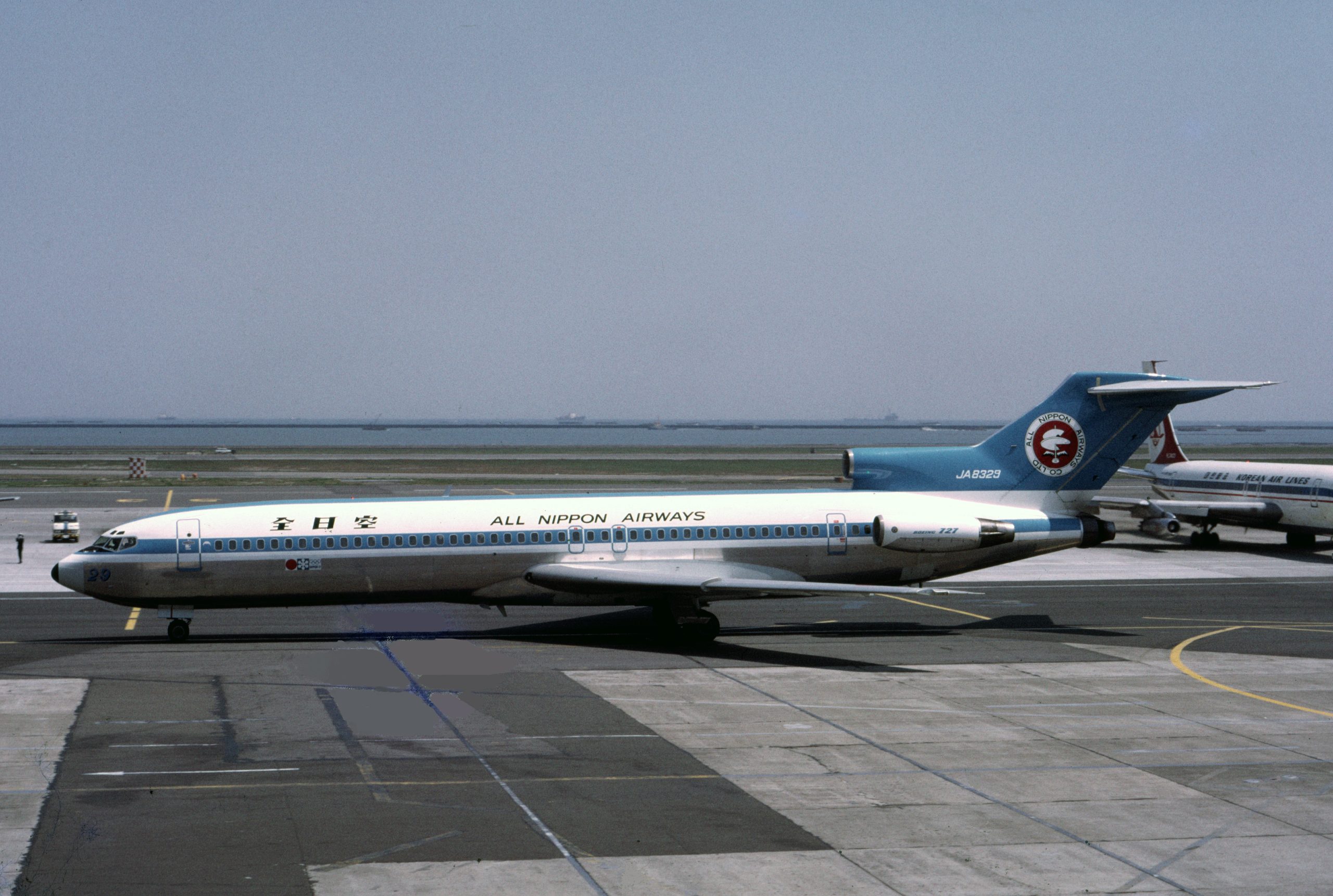
Your All Nippon Airways (ANA/NH) flight to Vietnam is approaching, and your Vietnam visa either still needs to be arranged or has only recently been prepared. At this stage, speed is important, but receiving a visa quickly is only one part of being ready for the journey. The information connected with your current passport, Vietnam visa, and latest ANA itinerary should also tell the same travel story. A passport replacement can make previously prepared identity information outdated. A schedule adjustment can change the date on which you actually arrive in Vietnam. An approved visa may look complete at first glance, yet it should still be compared with the passport you will carry and the journey you are actually taking. For passengers dealing with a fast or last-minute Vietnam visa before an NH flight, a useful strategy is therefore to work with three information sets together: the current passport, the visa or application, and the latest ANA itinerary. Keeping these three elements aligned can make an urgent application easier to prepare and provides a clear framework for the final review before departure.
When travelers prepare for an international flight, airline and visa documents are often handled at different times. The ANA ticket may have been booked weeks or months ago, the passport may already have been stored in several travel accounts, and the Vietnam visa application may only be started shortly before departure.
Because these tasks happen separately, it is easy to think of them as unrelated documents. In reality, they all describe the same traveler and the same journey.
For a fast Vietnam visa case, it is useful to compare three core records:
| Travel record | What it tells you |
|---|---|
| Current passport | Who is traveling and which document will be used |
| Vietnam visa/application | Which passport and entry arrangement the visa preparation is based on |
| Latest ANA itinerary | When and how the traveler intends to reach Vietnam |
The objective is not to make every document look identical, because each one serves a different purpose. The objective is to make sure that the information connecting them is consistent with the trip you actually intend to take.

The passport should be the primary reference for your identity information. When an NH departure is approaching, avoid preparing the application from memory, an old visa, a previous booking, or a passport scan that happens to be easy to find on your phone.
Take out the physical passport that you intend to carry on the journey and use it as the reference point.
Check the full name, passport number, nationality, passport validity information, and other relevant personal details directly against that document. If a passport image is required, make sure the image corresponds to the same current passport.
This becomes especially important if you have renewed or replaced a passport recently. Old scans can remain in email attachments, cloud folders, messaging applications, and travel-document folders long after the old passport is no longer the one being used.
For urgent preparation, the easiest file to find should not automatically become the file you submit. The current travel document should always take priority.
Before trying to make the visa match the journey, first establish whether you need a visa for the planned trip.
Holding an ANA ticket does not itself determine your Vietnam visa requirement. The airline booking confirms the air journey, while the immigration documentation required for Vietnam depends on separate entry conditions.
The requirement may vary according to nationality, the passport being used, intended duration and purpose of stay, applicable visa-exemption arrangements, and the circumstances of the journey.
If you have not yet confirmed your requirement, you can check it here:
If the current passport and journey qualify for an applicable visa exemption, an eVisa may not be required. If a visa is necessary, you can then continue building the application around the same passport and actual NH travel plan.
This order matters in a time-sensitive case. There is little value in rushing into an application before confirming whether that application is required in the first place.
The third record is the current All Nippon Airways itinerary.
A traveler may remember the original booking clearly, but airline schedules can be adjusted between reservation and departure. For visa preparation, the relevant reference should therefore be the latest available itinerary rather than an old screenshot, an earlier email, or information recalled from memory.
Review the complete NH journey and identify the actual Vietnam arrival date and intended arrival location. If the trip includes a connection, look beyond the first departure and follow the itinerary until the segment that brings you into Vietnam.
| ANA itinerary information | What to identify |
|---|---|
| First departure | When the journey begins |
| Connection, if applicable | How the journey continues |
| Vietnam-bound segment | Which flight brings you to Vietnam |
| Vietnam arrival date | Actual local arrival date |
| Arrival location | Intended Vietnam entry point |
| Updated schedule | Whether anything changed after booking |
The purpose is to establish the real travel plan that the visa or application should be reviewed against.
Once you know that a visa is required, compare the application information directly with the current passport.
Do not wait until the entire application has been completed to discover that a passport number was copied from an old document or a personal detail was entered differently.
A simple comparison before submission can include:
| Passport information | Application check |
|---|---|
| Full name | Corresponds with current passport |
| Passport number | Uses the current travel document |
| Nationality | Entered according to passport |
| Relevant passport details | Accurately transferred |
| Passport image | Shows the same current document |
This check is especially valuable when the application is being prepared quickly. Urgent processing should reduce waiting time where an appropriate service is available; it should not reduce the attention given to core identity information.
Keeping the passport open beside you while preparing the application is one of the simplest ways to maintain that alignment.
The next comparison is between the visa preparation and the journey you are actually taking.
Use the latest ANA itinerary to confirm the intended Vietnam arrival information and entry arrangement used for the application. If your journey crosses midnight or contains a connection, make sure you are not automatically using the first NH departure date as though it were the date you arrive in Vietnam.
The two dates may be different.
Pay particular attention to the actual Vietnam arrival date, intended entry point, and overall travel arrangement. These details should be based on the current trip rather than an older version of the booking.
This comparison becomes even more useful if ANA has changed the flight after you originally began preparing the visa.
A passport replacement creates a special situation because the identity side of the journey has changed.
If you obtained a new passport after booking your ANA flight, review which passport information is currently being used for the journey and which passport was used for the Vietnam visa preparation.
Do not assume that changing passport information in one system automatically updates another independent process.
For example, updating traveler information associated with an airline booking does not itself rewrite a separate visa application that was prepared using the previous passport.
The important task is to identify the current travel document and make sure the visa side of the trip has been reviewed against that document.
If both old and new passport scans are stored on your phone or computer, clearly separate them during urgent preparation so that the outdated document is not selected simply because it appears first in a search.
If the NH departure is approaching and you have confirmed that a visa is required, begin by bringing the three records together before submission: the current passport, the visa information being prepared, and the latest ANA itinerary.
Prepare the required passport information and images, appropriate recent portrait, expected Vietnam arrival details, intended entry point, and relevant travel information according to the applicable requirements.
Having these materials ready makes it easier to review the application as one complete travel case.
If professional assistance is needed for a fast Vietnam visa application, the relevant information can be submitted through Vietnam Visa Services:
Depending on the individual case and selected service, Vietnam Visa Services may assist with simplified document preparation, professional verification of passport and application information, review of relevant documents, and expedited processing options where applicable.
Vietnam Visa Services is an independent visa-assistance provider. It is not affiliated with All Nippon Airways and is not a Vietnamese government immigration authority.
The purpose of this review is to help ensure that moving quickly does not separate the visa application from the passport and journey it is intended to support.

There is no single expedited processing time that applies to every Vietnam visa application.
For eligible cases, Vietnam Visa Services may offer expedited processing options of approximately 2–8 hours or 1–2 days, depending on the individual circumstances and current service availability.
The option available for a particular traveler may depend on factors such as application status, document completeness, submission timing, selected service, and current processing conditions.
These timeframes should therefore be understood as possible expedited service options rather than a guarantee that every visa application will be completed within the same period.
For an approaching NH flight, processing speed should be considered together with information accuracy. A very fast application that is built around an outdated passport or old itinerary does not create the alignment a traveler needs.
Specific processing estimates, fees, eligibility, refund arrangements, and applicable service conditions should be confirmed for the individual request.
When less than 24 hours remain before the ANA departure, it may feel as though there is no time for additional checking. In practice, the most useful checks are often very short because they focus only on information that connects the key travel documents.
Place the current passport beside the latest itinerary and identify the actual Vietnam arrival. Then review whether an application already exists and, if so, which passport and travel information were used.
If no application has been submitted yet, prepare the necessary current information before requesting an available urgent option. If an application already exists, understand the existing case before deciding whether another action is appropriate.
The objective is not to slow down an urgent case with unnecessary review. It is to avoid spending the limited remaining time on information that no longer matches the actual trip.
If the Vietnam visa application has already been submitted and is still pending, the three-record method remains useful.
Start with the existing application rather than automatically creating a new one. Check which passport was used and what Vietnam travel information was included when the case was submitted.
Then compare those details with today’s current passport and latest ANA itinerary.
If all relevant information remains unchanged, the main issue may simply be the existing application status. If the passport has been replaced or the journey has changed, identify those differences first.
This provides a clearer picture of the pending case and helps prevent a traveler from confusing an existing processing issue with a completely new visa-preparation situation.
A schedule change does not automatically mean that the visa is no longer suitable for the trip. What matters is whether the adjustment affects information relevant to your Vietnam entry.
When ANA changes the itinerary, compare the previous and current versions.
| ANA schedule change | What to compare |
|---|---|
| Departure time changed | Whether Vietnam arrival is also affected |
| Connection changed | Updated complete travel route |
| Vietnam arrival date changed | Visa validity and travel information |
| Arrival location changed | Entry arrangement |
| Travel date moved | Overall visa–itinerary alignment |
| Minor timing adjustment | Whether relevant Vietnam information remains unchanged |
If only a small timing detail changes and the Vietnam arrival arrangement remains consistent, the effect may be limited.
If the actual Vietnam arrival date or location changes, the new itinerary deserves closer review against the visa or application.
The goal is not to restart the visa process every time an airline schedule changes. It is to determine whether the change affects the information that connects the visa to the journey.
Once the Vietnam visa has been approved, the final review becomes straightforward: compare all three records at the same time.
Use the current passport, approved visa, and latest ANA itinerary.
| Final comparison | What to verify |
|---|---|
| Passport ↔ Visa | Personal information and passport number |
| Visa ↔ ANA itinerary | Validity and intended Vietnam arrival |
| Passport ↔ ANA journey | Current travel document being used |
| All three together | One consistent traveler and travel plan |
Also review the intended entry arrangement and make sure the actual journey still fits the visa preparation.
This is particularly important if either the passport or ANA itinerary changed after the visa application was first prepared.
Receiving an approval result is an important step, but the final objective is not simply to possess a visa document. It is to have a visa that has been checked against the current passport and the trip you are actually about to take.
Before the journey begins, you can complete one final review without going through the entire application process again.
| Document | Final question |
|---|---|
| Current passport | Is this the passport I will actually carry? |
| Vietnam visa | Has it been checked against this passport? |
| ANA itinerary | Is this the latest version of my journey? |
| Vietnam arrival | Does the visa arrangement fit the planned arrival? |
| Entry information | Does it reflect the current travel plan? |
If the answer to these questions is clear and the information remains consistent, the visa side of the journey is much easier to understand.
If something has changed, focus specifically on that change rather than assuming that every part of the travel preparation needs to be repeated.
When an All Nippon Airways flight is approaching, professional assistance can be useful not only for assessing available expedited processing but also for helping travelers organize the information that connects their passport, visa application, and actual journey.
Vietnam Visa Services has more than 15 years of experience assisting international travelers with Vietnam visa matters and provides 24/7 support for visa preparation and Vietnam entry-related questions.
Depending on the individual application and selected service, assistance may include simplified document preparation, professional review of passport and application information, verification of relevant files, and expedited processing options where applicable.
For eligible cases, approximately 2–8 hour or 1–2 day expedited processing options may be available depending on the circumstances and current service availability. Specific processing estimates, fees, eligibility, refund arrangements, and applicable service conditions should be confirmed for each individual request.
Professional assistance does not replace accurate traveler information and does not create an affiliation with ANA or a government immigration authority. Its practical role is to help travelers prepare a time-sensitive visa case using current documents and a clearly defined travel plan.

A fast Vietnam visa before an All Nippon Airways (ANA/NH) flight is not only about obtaining a result as quickly as possible. The current passport, visa or application information, and latest ANA itinerary should also remain aligned with the journey you are actually taking.
Use the passport as the primary source for identity information, the latest NH itinerary as the source for the actual travel plan, and the visa application or approved visa as the bridge between the two. If the passport changes, review the identity information again. If ANA changes the itinerary, check whether the Vietnam arrival information is affected. Once the visa is approved, complete a final three-way comparison before departure.
If your ANA flight is approaching and you need professional assistance with a Vietnam visa application or want to assess available expedited processing options for your individual case, you can submit the relevant information through Vietnam Visa Services:


