Email Us:



You applied for your Vietnam eVisa expecting a smooth approval within the usual 3–5 working days, but now the waiting feels endless. Each morning starts with checking your inbox, refreshing your application status, and wondering whether something has gone wrong. As your departure date gets closer, uncertainty quickly turns into stress. Is your application delayed because of a technical issue? Did you accidentally make a mistake on the application form? Has your visa been rejected without notification? Or is it simply taking longer than usual?
The good news is that a longer waiting time does not automatically mean your Vietnam eVisa application has been rejected. In many cases, the application is still being processed normally, especially during busy travel seasons or after public holidays. Some applications require additional document verification, while others may experience temporary delays due to payment confirmation or a higher-than-normal number of submissions. Understanding the reason behind the delay is far more important than making assumptions or rushing to submit another application.
In this guide, you’ll learn what the normal Vietnam eVisa processing time looks like, when a delay should genuinely concern you, the most common reasons why applications take longer than expected, and the smartest steps to take before considering a new application. By the end of this article, you’ll know exactly how to handle a delayed Vietnam eVisa with confidence while avoiding mistakes that could make the process even longer.
Before assuming that your Vietnam eVisa is taking too long, it’s important to understand what “normal” processing actually means. Under normal circumstances, most Vietnam eVisa applications are processed within 3–5 working days. This timeframe applies to complete applications that contain accurate information, meet all photo and document requirements, and do not require additional verification.
One of the biggest misconceptions among travelers is confusing working days with calendar days. Vietnam’s immigration authorities calculate processing time based on business days rather than consecutive days. Saturdays, Sundays, and Vietnamese public holidays are generally not counted. For example, if you submit your application on a Friday afternoon, your application may not begin moving through the review process until the following Monday, meaning the waiting period can feel much longer than expected.
It’s also worth remembering that the 3–5 working day timeframe is an estimate rather than a guaranteed deadline. During peak travel seasons, major holidays, or periods of exceptionally high application volume, processing may naturally take longer. Likewise, applications requiring additional review because of unclear documents or inconsistent information can remain under assessment beyond the standard processing period.
For this reason, waiting slightly longer than 3–5 working days does not necessarily indicate a problem. Understanding the normal timeline helps you avoid unnecessary stress and prevents actions—such as submitting duplicate applications—that may complicate the situation.
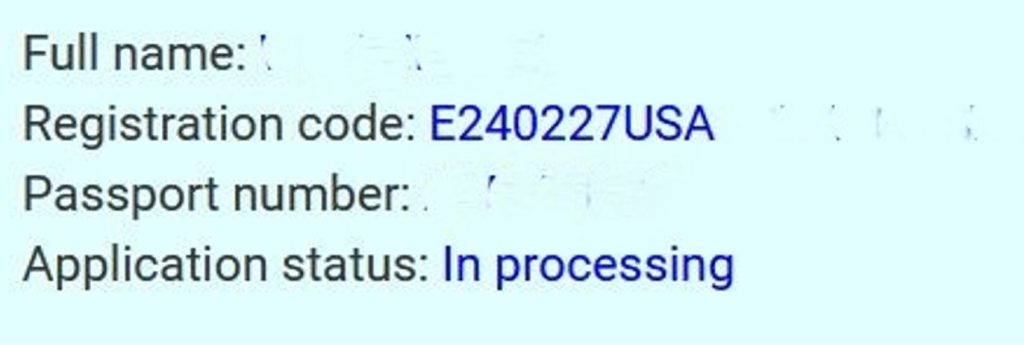
Not every delay should be treated the same. The first step is determining whether your application has genuinely exceeded the expected processing period or is simply progressing within a normal timeframe.
If your application has been under review for less than 3–5 working days, there is generally no reason to worry. At this stage, the best approach is simply to wait patiently, monitor your email, and avoid making unnecessary changes to your application. Frequent resubmissions or multiple enquiries during the normal processing window rarely speed up the process.
If more than five working days have passed, it becomes reasonable to begin checking your application more carefully. Verify your application status, confirm that your payment was processed successfully, review the email address you used during the application, and check your spam or junk folders. Many applicants discover that their application is progressing normally or has already been approved, but the notification email was filtered automatically.
If the waiting time extends significantly beyond the normal processing period, especially when your departure date is approaching, additional action may be necessary. This doesn’t automatically mean your application has been rejected. Instead, it usually indicates that your application requires further review, additional verification, or has been affected by temporary administrative or technical delays.
The key is knowing when to remain patient and when it’s appropriate to investigate further. Making informed decisions at the right time can save both money and valuable travel time.
Many travelers become concerned after waiting only two or three days, especially if they know someone who received approval more quickly. However, processing times vary from one application to another.
Even though many Vietnam eVisas are processed within 3–5 working days, some applications naturally take the full processing period before a final decision is made. Factors such as submission time, application volume, and internal review order all influence how quickly an individual application is completed.
If you are still within the standard timeframe, patience is usually the best course of action.
One of the most common reasons applicants believe their visa is delayed is that they count every calendar day instead of working days.
Vietnamese immigration offices generally do not process applications during weekends or official public holidays. As a result, applications submitted immediately before these periods may appear to be delayed even though they remain within the normal processing schedule.
Always calculate your waiting period using working days rather than total days since submission.
During peak tourism seasons, Vietnam receives significantly more visa applications than usual. Major holiday periods, school vacations, and international travel peaks can all increase the number of applications waiting for review.
When application volumes rise substantially, processing times may extend beyond the usual 3–5 working days, even if your application is complete and accurate.
In these situations, delays are typically temporary and affect many applicants rather than individual cases.
Not every application follows exactly the same review process. Some applications are selected for additional verification to ensure the information provided is accurate and complete.
This may happen if certain details require clarification or if immigration officers need additional time to verify documents. Additional review does not automatically indicate that your application will be refused—it simply means more time is needed before a final decision can be made.
Small mistakes can lead to longer processing times than many applicants expect.
Examples include:
Even seemingly minor inconsistencies may require manual review, which can extend the overall processing period.
In some situations, your payment may have been successfully charged by your bank, but the payment confirmation has not yet been fully synchronized with the visa application system. Until the payment is verified, your application may not move forward to the next stage of processing.
This situation is relatively uncommon but can occur due to temporary banking delays, payment gateway issues, or network interruptions during the transaction. As a result, applicants often assume their eVisa is being processed when, in reality, the application is still waiting for payment confirmation.
If you’ve been waiting longer than the usual 3–5 working days, it’s worth reviewing your payment status and ensuring the transaction was completed successfully. If you notice any discrepancies, contacting your payment provider or seeking professional assistance can help clarify the situation.
Like any online immigration system, the Vietnam eVisa platform may occasionally experience technical issues or scheduled maintenance. These temporary interruptions can affect application processing, status updates, or email notifications.
In many cases, the application itself is progressing normally behind the scenes, even though the status page appears unchanged for several days. Temporary system delays are generally resolved without requiring applicants to submit a new application.
If you suspect a technical issue, avoid repeatedly refreshing or resubmitting your application. Giving the system additional time is often the safest approach.
Although many Vietnam eVisa applications are processed automatically, some require manual review by immigration officers.
Applications may be selected for additional assessment for various reasons, including previous travel history, certain passport details, inconsistencies in the submitted information, or other administrative checks.
Manual review naturally takes longer than automated processing. While this may extend the waiting period beyond 3–5 working days, it does not necessarily indicate that your application has been rejected.
Sometimes immigration authorities cannot finalize an application because certain information is incomplete or unclear.
Examples include:
Until the required information is confirmed, processing may remain on hold. Carefully reviewing every detail before submitting your application is one of the best ways to reduce unnecessary delays.
Occasionally, processing times increase because of factors that applicants simply cannot influence.
Examples include:
While these situations may temporarily extend processing times, they usually affect many applicants simultaneously rather than a single individual.

If your Vietnam eVisa is taking longer than expected, the first step is to verify the status of your application rather than assuming something has gone wrong.
Start by locating your application reference number and the passport information used during your submission. These details are essential when checking your application status.
Next, review every folder in your email account, including Spam, Junk, Promotions, and Archive folders. Many applicants eventually discover that the approval email was delivered successfully but filtered automatically by their email provider.
It’s also important to remember that your application status should not be judged solely by whether you’ve received an email. In some cases, your eVisa may already be available while the notification email is delayed or never reaches your inbox.
Before taking any further action, confirm the actual status of your application whenever possible. Making decisions based on assumptions often leads to unnecessary complications.
One of the most common questions travelers ask is whether they should submit another Vietnam eVisa application after waiting longer than expected.
In most situations, the answer is no.
If your current application is still being processed, submitting a second application may create duplicate records. This could lead to additional fees, unnecessary confusion, and in some cases, even longer processing times.
Instead, ask yourself the following questions first:
Only after confirming that your original application cannot continue or requires a completely new submission should you consider applying again.
Many delays become worse because applicants unintentionally create new problems while trying to solve the original one.
Some of the most common mistakes include:
Avoiding these mistakes can significantly reduce unnecessary complications and improve your overall application experience.
Waiting becomes much more stressful when your departure date is approaching quickly.
If you’ve already waited longer than the normal 3–5 working days and your flight is only a few days away, acting strategically is far more effective than rushing to submit another application.
Begin by confirming your application status and reviewing every detail you originally submitted. If everything appears correct but there is still no progress, it may be time to seek professional assistance.
For travelers facing urgent departures, experienced visa specialists can help review your application, identify potential issues before they cause further delays, and recommend the most appropriate solution based on your specific situation.
If you need urgent assistance, you can submit your request through:
Depending on your circumstances, professional support may provide benefits such as:

How long does a Vietnam eVisa usually take?
Under normal circumstances, most Vietnam eVisa applications are processed within 3–5 working days. However, processing times may be longer during Vietnamese public holidays, peak travel seasons, or if additional verification is required.
Does waiting longer than five working days mean my application has been rejected?
No. A longer processing time does not automatically indicate a refusal. Many applications simply require additional review before a final decision is made.
Should I submit another application if mine is taking too long?
Usually not. Submitting duplicate applications while the original one is still being processed can create unnecessary complications.
Do weekends count as processing days?
No. Vietnam eVisa processing is generally calculated using working days, so weekends and public holidays are typically excluded.
Why is my friend approved faster than I am?
Every application is different. Processing times vary depending on submission volume, document quality, verification requirements, and administrative workload.
Can incorrect information delay my application?
Yes. Even small mistakes, such as an incorrect passport number or poor-quality document upload, may require manual review and extend processing times.
Can I speed up my Vietnam eVisa application?
If your departure is approaching and you require urgent assistance, professional visa support services may be able to help review your application and offer expedited processing options where available.
What’s the best way to avoid delays?
Apply well in advance, provide accurate information, upload clear documents, double-check every detail before submission, and monitor your application regularly.
Waiting longer than expected for your Vietnam eVisa can certainly be frustrating, especially when your travel date is approaching. However, a processing time that exceeds the usual 3–5 working days does not automatically mean your application has been rejected.
In many cases, delays are caused by factors such as public holidays, increased application volumes, additional document verification, or temporary administrative reviews. Understanding these possibilities allows you to respond calmly and make informed decisions rather than creating new problems through duplicate applications or unnecessary changes.
If your application has exceeded the normal processing period and you need to travel soon, seeking experienced professional support can help you identify the cause of the delay and explore the fastest available solution with greater confidence.

You’ve successfully submitted your Vietnam eVisa application, completed the payment, and expected your approved visa to arrive in your inbox within a few working days. However, the email never comes. …
Planning a trip to Vietnam? Don’t let eVisa delays throw off your entire schedule. Whether you’re a business traveler or vacationer, knowing exactly how long it takes to receive a …

🧳 You’ve packed your bags, booked your flight, and set your travel dreams in motion. But there’s one critical detail that hasn’t arrived: your Vietnam eVisa. ⏳ The departure clock …

✈️ Planning to visit Vietnam? One of the most important things you need is a valid eVisa. But how long does it actually take to process a Vietnam eVisa—and what …
You’ve applied for your Vietnam visa. The clock is ticking. Your flight is approaching. But your visa status still says “In Processing.” No update. No confirmation. No explanation. Sound familiar? …

Applying for a Vietnam eVisa doesn’t have to be confusing — even with recent policy changes and new digital systems rolling out. Whether you’re planning a holiday, business trip, or …

✈️ Planning to visit Vietnam in 2026? You better double-check the eVisa policy before booking your flight — because major updates are rolling out that could seriously affect your travel …